
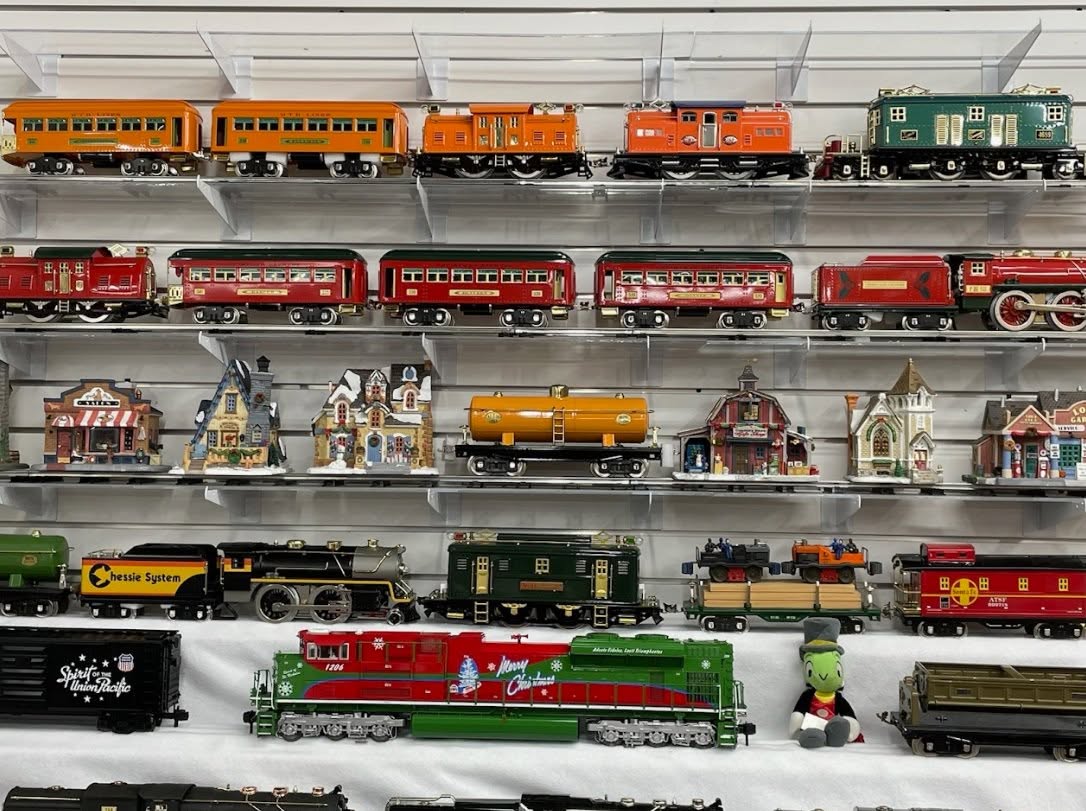
Building a model railroad is more than placing trains on a track and watching them travel around a loop. For many hobbyists, the real enjoyment comes from designing a layout, choosing the right equipment, adding realistic details, and watching everything work together.
Whether you are starting a new layout or expanding an established one, understanding the relationship between train gauges and track components can make the entire experience more rewarding. From classic rolling stock to intricate track arrangements, every choice can influence how your railroad operates and looks.
For collectors exploring 1-gauge model trains or looking for specialized track components, having access to knowledgeable hobby expertise can make it easier to find the right pieces for a project.
What Makes a Model Railroad Layout Special?
A model railroad can be as simple or elaborate as you want. Some hobbyists prefer a compact layout with a continuous loop, while others create detailed miniature landscapes featuring stations, bridges, yards, tunnels, buildings, and multiple routes.
The layout itself becomes part of the hobby.
Planning where trains will travel is especially important because track placement determines how much variety you can introduce into your operating sessions. A layout with multiple routes can create a more realistic experience and give you greater flexibility when running different trains.
Understanding the Role of a Railway Track Switch
A railway track switch allows a train to move from one track to another. In a model railroad, switches can transform a simple continuous loop into a much more interesting network.
When planning your layout, consider how each railway track switch fits into the overall track plan. You want enough space for trains to navigate smoothly while ensuring that different routes serve a clear purpose.
It is also important to consider accessibility. A switch positioned in a difficult-to-reach location may become frustrating if it needs adjustment or maintenance later.
Exploring the Appeal of 1 Gauge Model Trains
Gauge is one of the fundamental considerations when building a model railroad. It affects the scale and proportions of the trains, track, scenery, and other components used throughout the layout.
Many collectors appreciate 1-gauge model trains for their larger scale and detailed appearance. Their size can make mechanical and visual details particularly enjoyable to observe, while also giving them a distinctive presence within a collection or layout.
Before purchasing equipment, hobbyists should make sure that the train, track, accessories, and other components are compatible with the chosen gauge. Mixing incompatible components can create operational problems and may make future expansion more difficult.
For collectors who enjoy classic equipment and larger-scale trains, exploring 1 gauge model trains can open up an entirely different side of the hobby.
Planning Track Before Building Scenery
One common mistake when creating a layout is focusing on scenery before finalizing the track plan. Beautiful buildings, trees, roads, and landscaping can make a railroad look impressive, but they should not prevent trains from operating properly.
Start by determining where the primary tracks will go. Then consider stations, sidings, yards, crossings, and other operating features. Once you know where your tracks and switches will be positioned, you can build scenery around them.
This approach also makes maintenance easier. Leave enough room around important components so you can reach them if something needs adjustment or repair.
Creating Realistic Operations
A model railroad becomes even more engaging when it has a sense of purpose. Instead of simply running trains continuously, consider creating different operating scenarios. A freight train might deliver cars to a local industry. A passenger train could stop at several stations. Another train might be stored in a yard before being added to the operating schedule.
A strategically placed railway track switch can make these scenarios possible by allowing trains to take different routes.
You can gradually increase the complexity of your layout as your confidence grows. Starting with a straightforward track plan and adding new routes over time can be more enjoyable than attempting an elaborate system immediately.
Maintaining Your Model Railroad
Even a well-designed layout needs regular attention. Dust and dirt can affect track performance, while mechanical components may require inspection or maintenance. Keeping tracks clean is particularly important for reliable operation. It is also worth checking switches, connections, wheels, and other moving components periodically.
For collectors who own older or non-digital equipment, professional repair assistance can also be valuable. Proper maintenance can help preserve both the functionality and character of classic model railroad equipment.
Finding the Right Equipment for Your Hobby
Model railroad enthusiasts often discover that the most exciting part of the hobby is finding the right piece for a particular project. Sometimes that means locating a specific track component, sourcing an older train, or finding a replacement part for equipment that is no longer commonly available.
This is where experience can make a difference.
Sidetrack Hobbies has been serving model train enthusiasts for decades, with extensive knowledge of classic and modern model railroad equipment. The family-owned business specializes in areas including O Gauge, Standard Gauge Tinplate, and One Gauge trains, along with parts, accessories, and non-digital repairs.
Whether you are expanding a layout with 1 gauge model trains, searching for a specific railway track switch, or looking for help with a hard-to-find model train component, Sidetrack Hobbies offers knowledgeable assistance for collectors and hobbyists.